

Say My Name
On reclaiming mispronounced names.

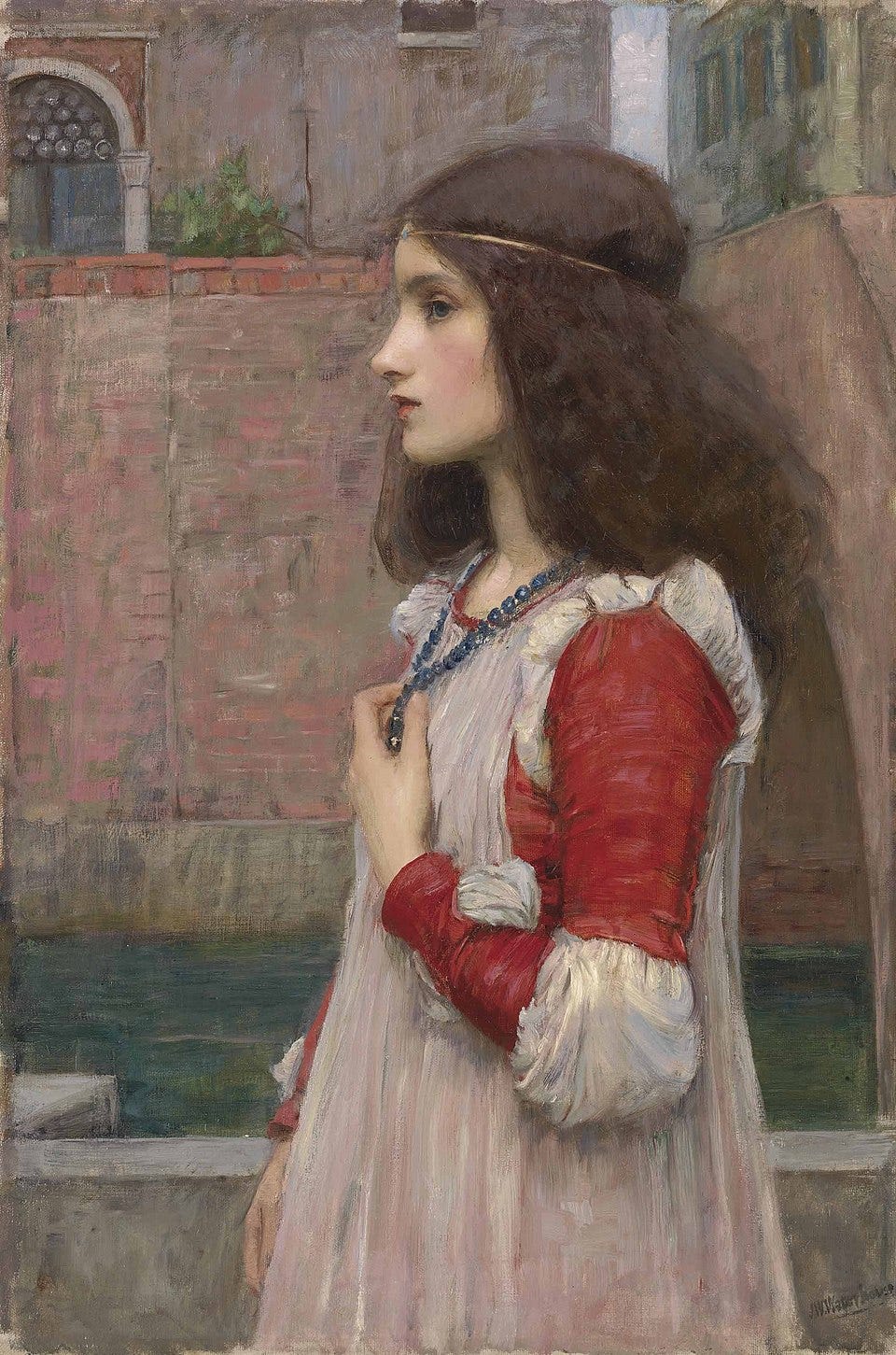
“What’s in a name?”
Juliet asked.
“A rose by any other name would smell as sweet.”
Juliet was wrong.
But I used to think like her; in most handshakes and Zoom calls, it went like this:
“Hulio, right?”
“Giulio!”
“Yulio, isn’t it?”
I’d play it cool, say it was fine.
But it wasn’t fine; every wrong syllable put distance between us. Every time I didn’t correct them, I was telling them I wasn’t that important.
When your name doesn’t fit easily in an international context, you’re tempted to let it slide. But the moment you do, the relationship tilts: you become agreeable, accommodating… Until one day you realise you’ve been handing your identity over.
—
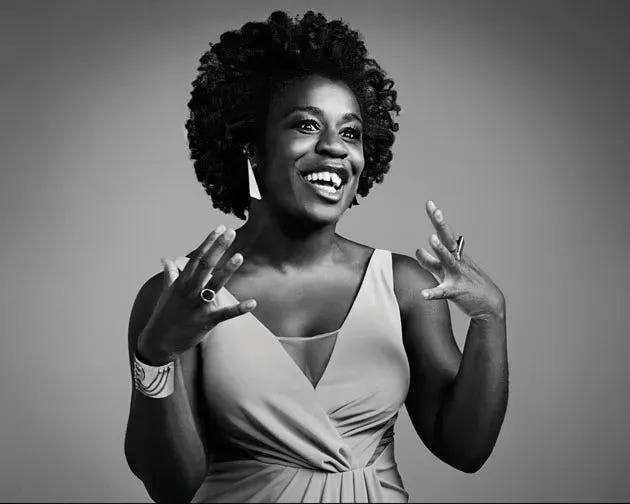
Actress Uzo Aduba tells a story from her childhood.
Growing up in a small New England town, she was one of the few Nigerian-American kids around. Nobody could pronounce her name (Uzoamaka), so one day she asked her mother if she could go by Zoe instead.
Her mother stopped. Gave her that look only mothers can give:
“Why?”
“Because nobody can say Uzoamaka.”
Her mother answered: “If they can learn to say Tchaikovsky and Michelangelo and Dostoyevsky, then they can learn to say Uzoamaka.”
She was right. People learn what they respect. And what they respect, they make room for.
I let this happen for years. Let people butcher my name because I didn’t want to sound difficult. I wanted them to like me more than I wanted them to know me.
As my work became more meaningful, so did my intolerance for distance and performance.
Empecé a facilitar talleres, a trabajar con estudiantes y profesionales. Cada vez había menos reuniones corporativas, menos escondites detrás de una pantalla. Y en esa búsqueda de conexión real, no queda otra que reclamar nuestro nombre.
Hay un ejercicio de facilitación en el que pido a la gente que comparta el origen de su nombre en parejas. Por qué se llaman así, cuál es el origen, su significado. Cada historia es distinta, pero las reacciones son siempre las mismas:
“Siento que te conozco.”
“Gracias por compartir quién eres”
Es un ejercicio que trabaja la confianza en el otro a través del valor simbólico de nuestros nombres. Crea el espacio para contarnos, para revisitar nuestro prólogo, el origen de nuestra historia.
Cuando trabajas con valores como la confianza y la honestidad, no puedes pedir a otros que se muestren mientras te escondes.
Así que, desde hace un par de años, he decidido presentarme de otra forma. Digo mi nombre despacio y con claridad, y ayudo al otro a pronunciarlo. Es una invitación. Una muestra de que me importa esa relación que comienza.
Los que vivimos entre idiomas necesitamos anclas, no máscaras.
Quien intenta pronunciar nuestro nombre está diciendo: me importas.
Quien ni lo intenta, no merece nuestro tiempo.
Pronunciar nuestro nombre no es un favor.
Es lo primero que damos. Es nuestra mano tendida.
Sólo pedimos al otro que aprenda a decirlo.
Porque, al contrario de lo que pensaba Julieta, nuestro nombre contiene todo.
Immigrating to and growing up in a country with more than 17 local language groups and all the immigrants from a multitude of nations ...and having a name that no-one knew at all, well , it was going to be mispronounced all the time. Did it or does it make me feel disrespected...no. I correct people, some ask, some ask the origin...and all of that is absolutely fine. I do the same with the names that sound foreign to me. With the tongue-twister names all around me ...as hard as I try, I get them wrong more often that not. I make a effort to ask and make an effort to get them right. My grandchild is Kupakwashe, at school she is known by her second name Adore and is Head Girl this year, I prefer to call her Kupakwashe...she is equally happy with both...we live in a diverse world and just need to give each other a little leeway. Respect is shown in many more ways than pronunciation.
I believe that only 30% of people pronounce or write my name correctly. Even my driver’s license and my work contract contained mistakes.
Many people simply call me "Emmanuelle". Assimilation often starts with names—and this is a form of micro-violence. It slowly erodes your identity, day after day.
That’s why I prefer to introduce myself as Manu. At least then, I get to decide how my name is shortened.