

Natives Only
On accents and daring to own our voices.

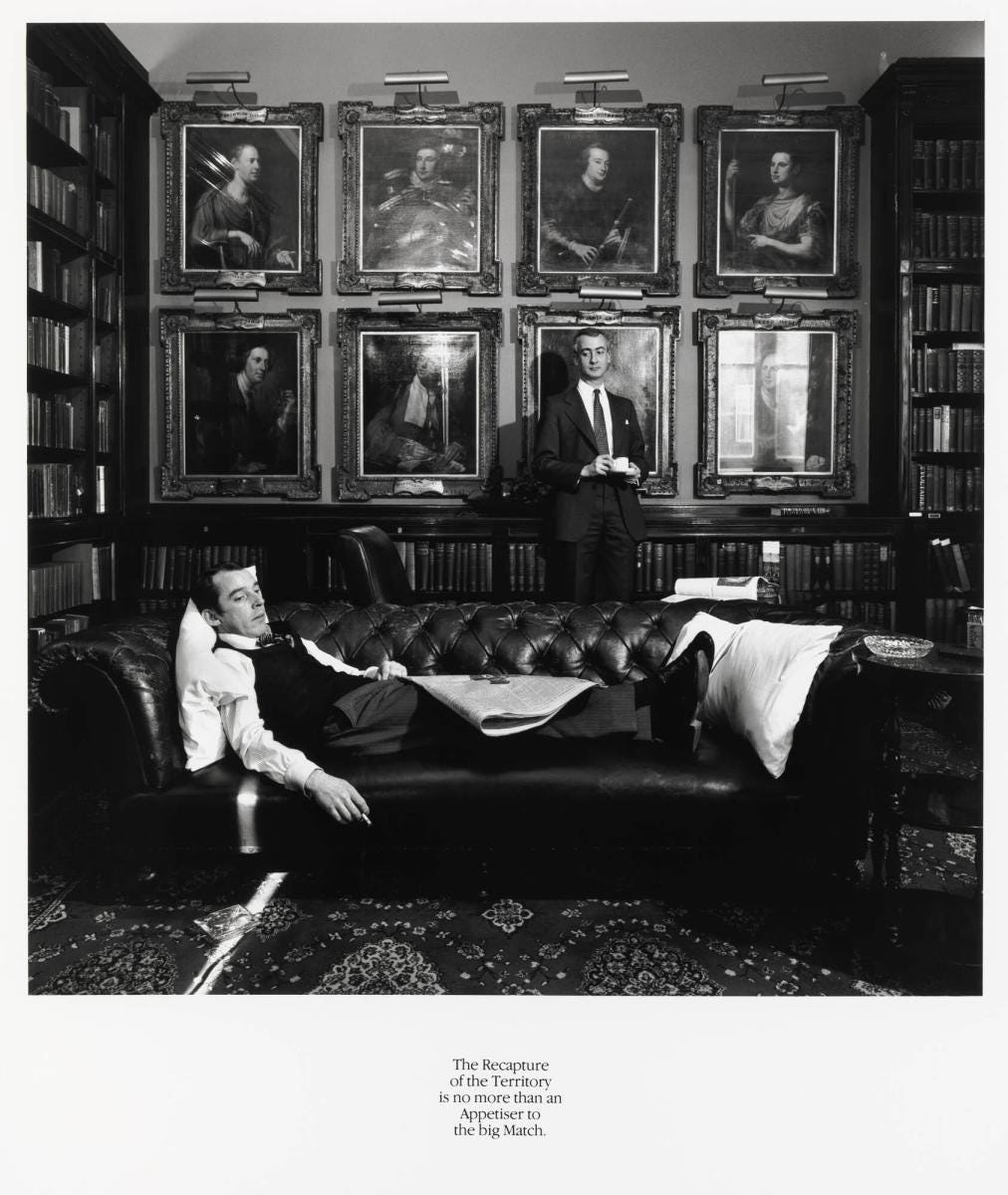
I was explaining the concept of this bilingual blog to someone the other day. How writing in two languages is the way to mirror how my brain is split: a brain that swears in Spanish but reads Salinger in English.
We were two non-natives speaking English, my favourite kind of conversation. One where I can put my guard down and forget about my accent.
Our accents, they’re the tell.
Little snitches whispering he’s not from here.
Protected behind the page, we can choose the right words with care. We polish and revise, a hundred times if needed. But in conversation, we’re exposed real time.
In every meeting there’s that fraction of a second: a native speaker dropping slang that can’t be studied, sharing local references we don’t get; and so our smile arrives half a second late.
Our accent, once again keeping us out of The Natives Club.
You can recite Shakespeare and collect Cambridge certificates, but the door sign states it clearly: Natives Only.
—
As a teenager, after several summers in Ireland, I picked up a pretty natural Irish accent. Proud of sounding so proper, I didn’t know it was considered second-class, a sort of Ryanair of British accents.
Trying to join the Natives Club with a Galway accent was staggeringly naive. What escapes us foreigners is that, inside the club itself, there are invisible hierarchies and exclusive rooms. It’s not the same being a londoner or a mancunian. An East or a West Coaster.
En los últimos meses, varias apps aparecen en mi feed prometiendo acabar con mi acento. Me garantizan el perfect British accent o aprender con los voice coaches de Brad Pitt.
Hablan del acento como una arruga a eliminar.
Botox para nuestro origen.
Shortcuts hacia un pasaporte falso.
Estas apps no saben que mi acento, ni British ni de Galway, se ha ido perdiendo él solo con el tiempo. Después de tantos años fuera, ese acento de Madriz es hoy irreconocible; sueno español, pero sin saber bien de dónde.
A veces vuelve de forma brusca (casi siempre cuando estoy cansado, tomo un par de vinos o hablo un rato largo con mi familia) el tiempo justo para recordarme quién soy, de dónde vengo.
El precio de moldear nuestro acento, a cambio de pertenecer a ese Natives Club, es renunciar a nuestra voz, borrar para siempre el rastro de nuestro origen.
Sofía Vergara aceptó el suyo tras años de voice coaching en Hollywood. Bad Bunny fue a Saturday Night Live con su acento puertorriqueño y un monólogo en español, sin importarle quién pudiera entenderle.
Reconocer quiénes somos, nuestro origen, es atrevernos a hablar sin pedir permiso.
Es crear un club abierto al mundo, sin derecho de admisión.
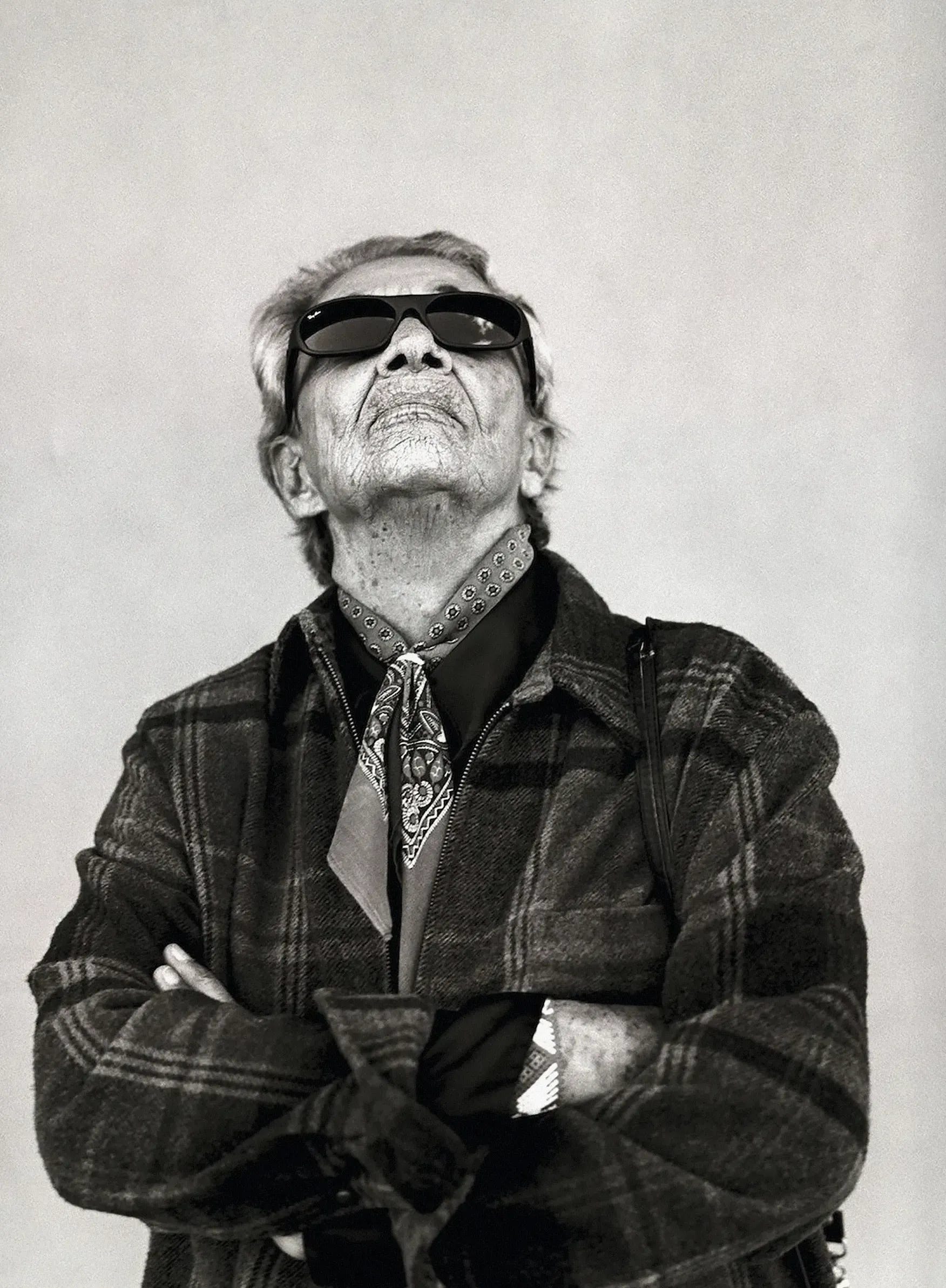
Celebremos las voces inconfundibles, aquellas que no esconden su origen; rasgada como la de Chavela Vargas,
desgarrada como la de Camarón.
Abracemos nuestro acento,
porque sin él perderemos el ancla.
Seamos voces que no pidan jamás permiso para pertenecer.
Cuando todos mis compañeros internacionales despues el PhD se fueron, me encontré sola en Francia, empezando a trabajar en una empresa francesa.
Y fue allí donde me di cuenta de algo: mi acento siempre sería un techo de cristal.
El teatro me ayudó muchísimo. Me dio confianza para expresarme, para ocupar espacio con mi voz. Y, con el tiempo, aprendí a aceptar mi acento como mi marca personal, mi trademark.
Aunque incluso hoy todavía hay gente que reduce mi competencia a mi acento.
Pero ya no me importa. Esa gente ya no tiene lugar en mi historia.
Julio, you had me laughing: “a Ryanair of British accents.” I love accents but they do get pointed out by people because they are unique, different. Loving our accents is the best attitude because then we can respond from a place of different good rather than different bad. That confidence is appealing.